
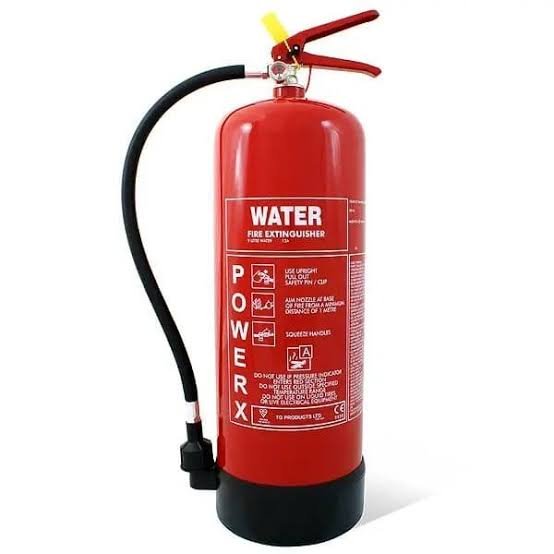
Car safety involves more than seat belts, airbags, tyres, and brakes. Fire safety is another important consideration that drivers should not overlook. A vehicle fire may develop because of an electrical fault, fuel leakage, overheating, an accident, or a problem with an aftermarket accessory. When travelling on busy roads or highways in Pakistan, being prepared for an emergency can make a meaningful difference.
Before buying car fire safety equipment, it is important to understand what you actually need, how the equipment works, and whether it is suitable for your vehicle. A product that looks reliable may not be appropriate for the type of fire it is designed to control. Similarly, an extinguisher that is expired, damaged, or stored incorrectly may not perform as expected.
This guide explains the main points to check before purchasing car fire safety equipment. Whether you own a small hatchback, a family sedan, an SUV, or a commercial vehicle, these considerations can help you make a more informed decision.
1. Understand the Fire Risks Associated With Your Vehicle
Before purchasing any equipment, identify the common fire risks associated with your vehicle. Different vehicles have different systems, fuel types, electrical arrangements, and operating conditions.
Common causes of vehicle fires include:
- Electrical faults: Damaged wiring, loose connections, short circuits, and poorly installed accessories may produce heat or sparks.
- Fuel leakage: Petrol or diesel leaking near hot engine components can create a serious fire hazard.
- Engine overheating: Mechanical problems, inadequate cooling, or other faults may increase the risk of damage and fire.
- Accidents: A collision can damage fuel lines, batteries, and electrical systems.
- Aftermarket modifications: Poorly installed alarms, audio systems, lighting, and other electrical accessories can introduce additional risks.
- Improperly stored materials: Flammable liquids and other combustible products can increase the danger inside a vehicle.
Understanding these risks helps you select appropriate safety equipment and identify problems that require professional attention.
Remember that preventive maintenance is just as important as carrying an extinguisher. A safety product should support a broader approach that includes regular servicing, careful driving, and prompt repairs.
2. Choose the Right Type of Fire Extinguisher
A portable fire extinguisher is one of the most useful fire safety items to consider for a vehicle. However, not every extinguisher is suitable for every fire.
Before buying one, check the fire classifications printed on its label. Depending on the extinguishing agent and product rating, an extinguisher may be designed for ordinary combustible materials, flammable liquids, or electrical equipment.
A multipurpose dry chemical extinguisher may be suitable for several common vehicle fire hazards when its label confirms the relevant ratings. However, the correct selection depends on the vehicle, the potential fire risks, and the manufacturer’s instructions.
Check the following details before purchasing:
- The fire classes the extinguisher is rated for.
- The type of extinguishing agent used.
- The product’s stated capacity and rating.
- The manufacturer’s operating instructions.
- Any limitations involving electrical equipment, fuel fires, or other hazards.
Do not select an extinguisher based on its appearance alone. If you are unsure which type is suitable, consult a qualified fire safety supplier.
Also remember that a portable extinguisher is intended for appropriate, limited situations. It is not a guarantee that a vehicle fire can be controlled. If a fire develops, getting everyone to safety and contacting emergency services should take priority.
3. Inspect the Quality and Condition of the Cylinder
The physical condition of an extinguisher is an important indicator of its suitability. Before purchasing, inspect the cylinder carefully and ask the seller about its manufacturing date, service history, and warranty.
Look for the following signs:
- Corrosion: Rust may indicate deterioration, particularly around seams, the base, or other vulnerable areas.
- Dents or deformation: Significant impact damage can compromise the cylinder.
- Leaks or residue: Unusual deposits or signs of leakage require investigation.
- Damaged components: Handles, valves, hoses, and nozzles should be intact.
- Unreadable labels: The operating instructions, product rating, and identification details should be legible.
Avoid purchasing a damaged extinguisher, even if it is offered at a lower price. A pressure-containing device must remain in suitable condition throughout its service life.
Buy from a reputable supplier that can explain the product’s specifications and provide relevant documentation. If the product requires servicing, ask whether qualified maintenance support is available locally.
4. Check the Pressure Gauge and Safety Seal
Many portable extinguishers include a pressure gauge that helps users determine whether the unit is within its indicated operating range.
Before buying, inspect the gauge and confirm that the indicator is in the manufacturer’s recommended range. On many models, this is shown by a green zone, but you should follow the markings on the particular product.
Also check the safety pin and tamper seal. They should be intact on a new, unused extinguisher unless the manufacturer specifies otherwise.
Pay attention to these points:
- The gauge is visible and undamaged.
- The pressure indicator is in the recommended range.
- The safety pin is present.
- The tamper seal is intact.
- The valve and handle show no visible damage.
A normal gauge reading does not prove that every component is working perfectly. It is only one part of the inspection. Follow the manufacturer’s instructions and arrange professional servicing whenever necessary.
5. Verify the Manufacturing Date and Expiry Information
Car fire safety equipment may remain in a vehicle for years, so its service life matters. Before purchasing, check the manufacturing date, service information, and any expiry or replacement date provided by the manufacturer.
Do not assume that all extinguishers have the same lifespan. Service intervals and replacement requirements depend on the design, extinguishing agent, product instructions, and applicable standards.
Ask the seller:
- When was the extinguisher manufactured?
- What is its recommended service life?
- Does it require periodic professional inspection?
- Can it be recharged after use, if applicable?
- Are replacement parts or servicing available?
Be cautious if the seller cannot explain the product’s age or maintenance requirements.
The same principle applies to other safety accessories. Electronic warning devices, batteries, and sensors may deteriorate over time, particularly when exposed to heat. Always check their service information before relying on them.
6. Make Sure the Extinguisher Can Be Mounted Securely
An extinguisher should not roll around inside the passenger compartment or boot. During sudden braking, a collision, or a sharp turn, a loose cylinder could injure occupants or become difficult to retrieve.
Before buying, consider how the extinguisher will be secured in your vehicle.
Look for a mounting bracket or holder designed for the particular extinguisher. It should keep the cylinder firmly in place while allowing appropriate access in an emergency.
The installation should meet these basic considerations:
- The bracket is compatible with the extinguisher.
- The mounting arrangement can withstand normal vehicle movement.
- The equipment does not interfere with pedals, seat movement, or airbags.
- The extinguisher remains accessible without obstructing the driver.
- The installation follows the vehicle manufacturer’s guidance.
Do not place heavy safety equipment where it could interfere with driving or become a hazard during a collision. If you are unsure about the best location, ask a qualified vehicle technician.
7. Consider Pakistan’s Road and Weather Conditions
Vehicles in Pakistan may experience high summer temperatures, dusty environments, heavy traffic, long journeys, and uneven roads. These conditions make correct equipment selection and storage particularly important.
A product intended for vehicle use should have clear instructions about its permitted operating and storage temperature range. Check this information before leaving an extinguisher inside a parked car.
Other practical considerations include:
Heat resistance: Confirm that the equipment can be stored within the temperature range specified by its manufacturer.
Vibration resistance: The mounting arrangement should keep the extinguisher secure during ordinary road travel.
Dust protection: Keep labels, gauges, and accessible components clean enough to inspect.
Durability: Choose a product with suitable construction and reliable after-sales support.
Avoid placing an extinguisher in direct sunlight for prolonged periods if the manufacturer advises against it. Never store it somewhere that exceeds its approved temperature limits.
These checks are especially useful for people who regularly travel long distances or park outdoors during hot weather.
8. Check Whether the Product Meets Relevant Standards
Quality assurance is another important consideration when buying car fire safety equipment. A reputable supplier should be able to identify the manufacturer, product model, ratings, and relevant testing or certification information.
Look for genuine product documentation rather than relying only on advertising claims. Where a standard or certification is stated, verify that it applies to the exact model being sold.
Useful questions include:
- Is the manufacturer identifiable?
- Are the product specifications clearly printed?
- Is there documentation for the stated performance rating?
- Are inspection and maintenance instructions provided?
- Can the supplier explain the warranty and service arrangements?
Do not assume that a product is suitable simply because it carries an unfamiliar logo or a general claim such as “international quality.”
For vehicle-mounted equipment, secure installation and resistance to movement also matter. The Building Code of Pakistan: Fire Safety Provisions 2016 includes guidance on protecting vehicle-mounted extinguishers against dislodgement and physical damage. Its application should be considered alongside relevant vehicle requirements and manufacturer instructions. Pakistan Engineering Council — Building Code of Pakistan: Fire Safety Provisions 2016
9. Understand the Role of Fire Detection and Warning Devices
Some buyers confuse portable extinguishers with fire detection and alarm systems. These serve different purposes.
A portable extinguisher is intended to help control certain fires when conditions allow safe use. A warning device or detection system is designed to identify a hazardous condition and alert people.
A conventional building fire alarm system is not automatically suitable for installation in a passenger car. Vehicles have different environmental conditions, electrical systems, space limitations, and safety requirements. Any electronic detection or warning equipment used in a vehicle should be specifically designed for that application.
If you are researching a Fire alarm system in Pakistan, first identify whether your need relates to a home, office, factory, commercial building, or vehicle. The correct system depends on the environment being protected.
For a car, pay attention to the condition of the original electrical system and any aftermarket wiring. Do not install an electronic device that interferes with airbags, engine controls, or other safety-critical components. Use a qualified automotive technician for installation.
Detection technology is useful, but it should never replace sound maintenance, safe driving, or a clear emergency plan.
10. Review Pakistan’s Applicable Vehicle Safety Requirements
Safety requirements can differ according to vehicle category, operating area, and the relevant authority. Private cars, public-service vehicles, and cargo vehicles may not all be treated in the same way.
In June 2026, Pakistan’s National Highways and Motorway Police announced measures concerning functional fire extinguishers in vehicles travelling on national highways and motorways. The announcement placed particular emphasis on passenger-service and cargo vehicles and described enforcement measures for vehicles without working extinguishers. National Highways and Motorway Police · Dawn report, June 17, 2026
Because requirements and enforcement can change, confirm the latest instructions with the National Highways and Motorway Police or the relevant local authority before travelling. Do not assume that a rule for one vehicle category automatically applies identically to every private vehicle.
If you operate a taxi, van, bus, delivery vehicle, or commercial fleet, check the requirements that apply to your specific category. Keep any required safety equipment functional, properly mounted, and available for inspection.
Legal compliance is important, but the main purpose of carrying fire safety equipment is to improve preparedness and protect lives.
11. Compare Price, Warranty, and After-Sales Service
Price matters, but the cheapest product is not necessarily the best value. An extinguisher with unclear specifications or no maintenance support may create problems later.
Compare products based on their suitability, construction, ratings, service life, warranty, and availability of professional maintenance.
Before purchasing, ask the seller for:
- The final price and product specifications.
- Warranty coverage and exclusions.
- Servicing or recharging options, where applicable.
- Replacement arrangements for defective products.
- Instructions for periodic inspection.
- Proof of purchase and product identification details.
Be cautious of products advertised with unrealistic performance claims. A trustworthy seller should explain what the equipment can and cannot do.
For guidance on selecting fire safety products, customers can explore the information and product options available through Flame Defender. Always confirm that the chosen product is suitable for your particular vehicle and intended use.
12. Know How to Respond if Your Car Catches Fire
Buying safety equipment is only one part of preparation. Drivers and passengers should also know what to do when smoke, flames, or a burning smell suggests a possible vehicle fire.
Follow these general precautions:
- Pull over to a safe location as soon as possible.
- Stop the vehicle and switch off the engine when it is safe to do so.
- Get all occupants out and move well away from the vehicle and traffic.
- Do not return to the vehicle to collect belongings.
- Contact the appropriate emergency service.
- Do not open the bonnet if you suspect a fire underneath it, as introducing air may intensify the fire.
Do not attempt to fight a growing fire or approach a vehicle that presents an immediate danger. An extinguisher should only be used when the fire is small, you have a clear escape route, and the situation permits safe action. Your safety and the safety of passengers come first.
The United States Fire Administration provides additional guidance on vehicle fire safety, including steps to take when a fire develops.
13. Inspect Your Equipment Regularly After Purchase
Fire safety equipment requires ongoing attention. Buying a good product does not mean it will remain ready indefinitely.
Create a simple inspection routine based on the manufacturer’s instructions. Check that the extinguisher remains in its designated location, its pressure indicator is within the recommended range, and the cylinder and nozzle show no signs of damage.
Also confirm that the mounting bracket remains secure. If the extinguisher has been discharged, damaged, or exposed to conditions outside its approved limits, arrange appropriate professional assessment or replacement.
Vehicle maintenance should include checks for warning signs such as damaged wiring, unusual electrical smells, fuel odours, repeated fuse failures, and engine overheating. Do not ignore these symptoms or attempt repairs beyond your competence. Ask a qualified mechanic to investigate.
Keep emergency contact information accessible and make sure passengers understand how to exit the vehicle safely.
Conclusion
Choosing car fire safety equipment requires more than checking its price or appearance. Buyers should examine the extinguisher’s fire rating, condition, pressure indicator, manufacturing information, storage requirements, mounting bracket, and maintenance support. They should also understand the difference between a portable extinguisher and a fire detection or alarm system.
In Pakistan, drivers should stay informed about the requirements that apply to their vehicle category and the roads they use. Regular vehicle servicing, safe electrical installations, and responsible driving remain essential parts of fire prevention.
For more information about fire safety solutions, visit Flame Defender. Select equipment according to your vehicle’s needs, follow the manufacturer’s instructions, and remember that protecting people must always take priority over protecting property.
Frequently Asked Questions (FAQs)
1. What should I check before buying a car fire extinguisher?
Check its fire rating, capacity, manufacturing date, pressure gauge, safety seal, physical condition, operating instructions, and warranty. Also make sure a suitable mounting bracket is available and that the product is designed for vehicle use.
2. Which fire extinguisher is suitable for a car in Pakistan?
The suitable type depends on the potential fire hazards and the extinguisher’s rated fire classes. A multipurpose dry chemical extinguisher may cover several common vehicle hazards, but buyers should confirm its rating and consult a qualified supplier before making a selection.
3. Is carrying a fire extinguisher mandatory in every car in Pakistan?
Requirements may vary by vehicle category and applicable authority. In June 2026, the National Highways and Motorway Police announced measures concerning functional extinguishers for vehicles using national highways and motorways. Check the latest official requirements for your vehicle before travelling.
4. How often should I inspect a car fire extinguisher?
Follow the manufacturer’s inspection and servicing schedule. Regularly check the pressure indicator, safety pin, seal, cylinder condition, nozzle, and mounting bracket. Arrange professional servicing or replacement if the unit is damaged, discharged, or outside its approved service life.
5. Can a building fire alarm system be used in a car?
Not necessarily. Building fire alarm systems and vehicle safety devices are designed for different environments. Any electronic detection or warning equipment installed in a vehicle should be suitable for automotive use and installed by a qualified technician without interfering with the vehicle’s safety systems.